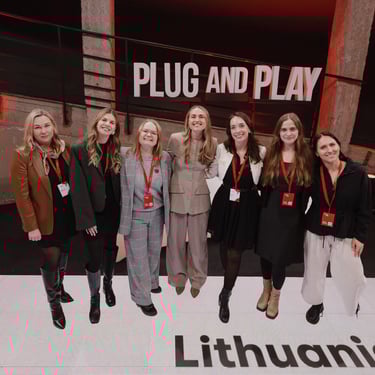
Lithuania Accelerated: what this finale says about our region’s startup maturity
Lithuania just wrapped its two-year Startup Lithuania Accelerator powered by Plug and Play — and for us at NaionX, it was a hands-on journey of learning, sharpening our story, and building the right relationships. Here are the numbers, the lessons, and what it felt like to close the program on stage in Vilnius.
NEWS
NaionX
3/2/20263 min read
Lithuania just closed a two-year run of its main international startup program — the Startup Lithuania Accelerator powered by Plug and Play — and did it in a way that feels very “Baltic”: serious outcomes, delivered with a bit of stagecraft.
For us at NaionX, this wasn’t just a headline — it was a chapter we lived through.
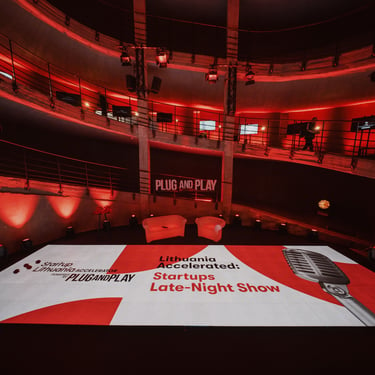
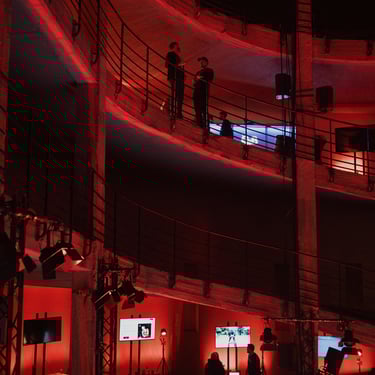
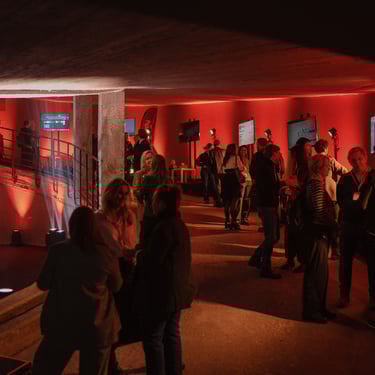
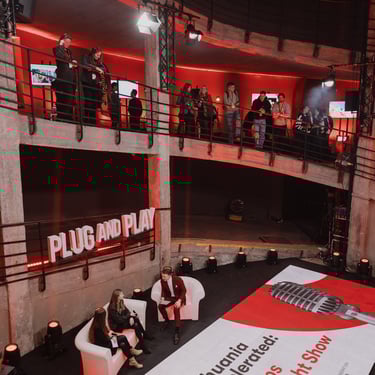
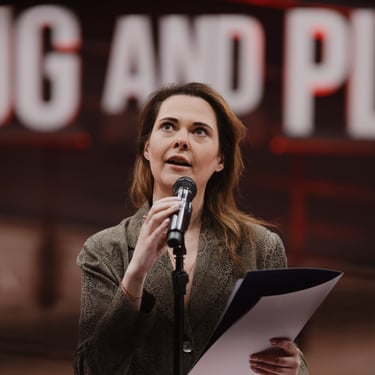
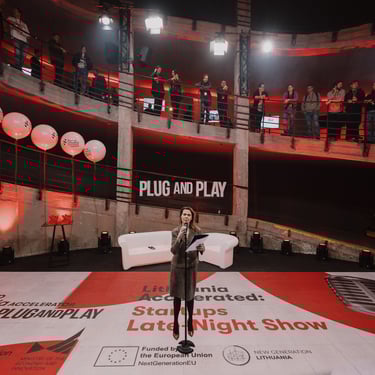
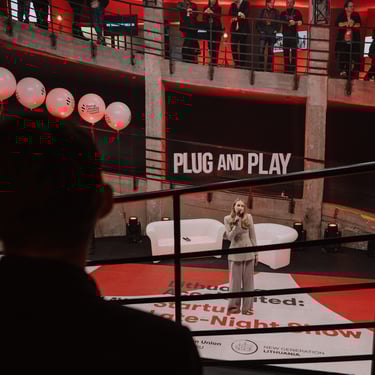
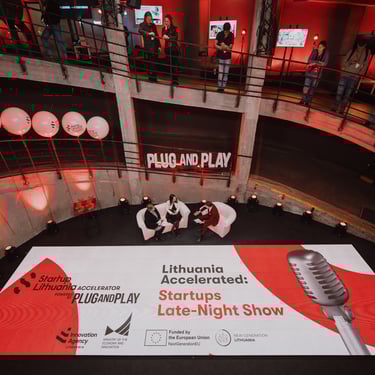
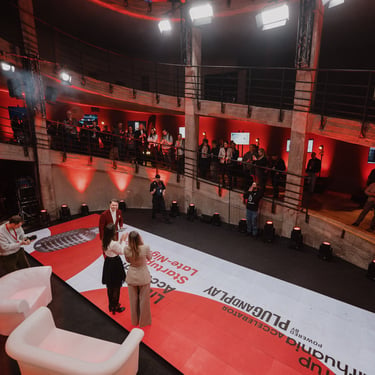
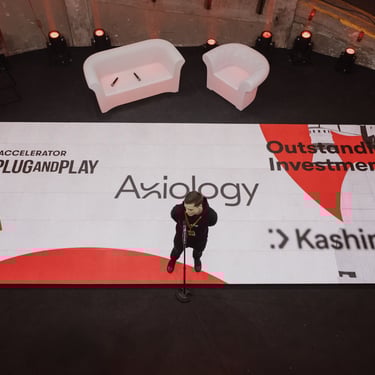
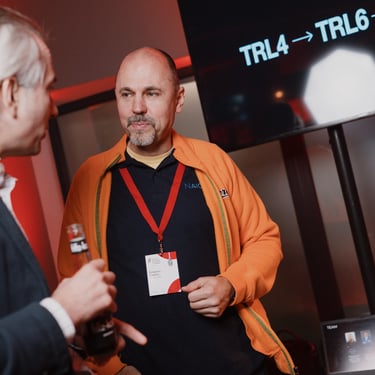
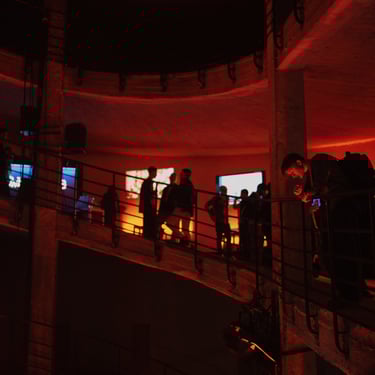
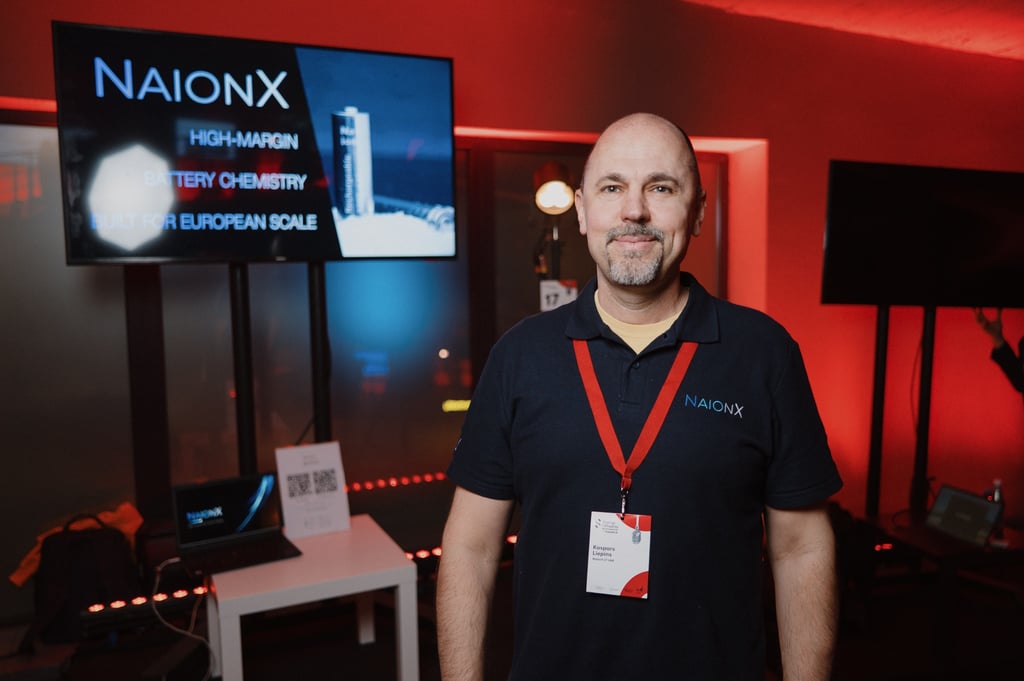
The finale in Vilnius, “Lithuania Accelerated: Startups Late-Night Show” at T Parkas, brought founders, investors, corporates, and policymakers into the same room to mark what the program achieved — and why it matters for the region. NaionX was there as part of the program’s journey and the finale, showcasing our work in sodium-ion battery chemistry, learning from the community, and doing what accelerators are really for: building relationships that can move a deep-tech company forward.
What we took from the program (as a deep-tech team)
If you’re building deep tech, you know the pace is different: long R&D cycles, high proof requirements, and constant translation between science, product, and business. What the accelerator did well was create structure around that:
Sharper storytelling: turning complex technology into a narrative investors and partners can actually evaluate.
More disciplined commercial thinking: being forced to define who we serve first, and what “traction” should look like at our stage.
Better network density: fewer random intros, more relevant conversations with people who’ve seen similar journeys.
And the finale event format — a late-night show vibe — was a refreshing reminder that ecosystems can be ambitious and human at the same time.
The numbers that caught our eye
Over two years, the accelerator:
Selected 67 startups from 1,024 applications (nearly half international)
Ran five batches with startups from 16 countries
Delivered 183 hours of workshops, 414 hours of mentorship, and 108 office hours
Brought in 68 international mentors from 19 countries
Engaged ~100 investors from 20 countries
And the outcomes weren’t just “good vibes”:
Startups increased annual revenue by 2.7× on average
73% secured at least €30k in funding
€19M raised collectively post-program
82 new jobs created
88% survival rate, above Lithuania’s early-stage average
Why this matters (beyond Lithuania)
What I like about this story is that it’s not framed as a one-off success. It’s a blueprint for how smaller ecosystems can punch above their weight:
International by design
The program wasn’t only about helping local startups “get better.” It was explicitly built to help Lithuanian teams scale abroad and to attract foreign founders to build in Vilnius.
Local institutions + global infrastructure
Pairing national ecosystem builders with a global platform like Plug and Play creates a practical bridge: mentorship, investor access, and market-facing discipline — not just networking.
Deep tech is becoming the default
The showcased solutions spanned AI, fintech, defence, biotech, energy, mobility, and health. That mix signals something important: our region is increasingly comfortable building companies where the product is hard, the timelines are long, and the upside is systemic.
The Silicon Valley bridge (and why it’s useful)
A key element was the connection to Plug and Play’s GOAL (Global Overseas Acceleration & Learning) initiative — a pathway that took 12 Lithuanian startups into a six-week immersion at Plug and Play’s Silicon Valley HQ.
Two Lithuanian startups — Veli and Hoperfy — won “Best Startup” awards at Plug and Play’s GOAL stage, standing out among 150+ international participants.
I’m not a believer in “Silicon Valley as a religion.” But I am a believer in structured exposure: the right rooms, the right feedback loops, and the right expectations can compress learning cycles dramatically.
A founder-first way to close a program
The late-night show format might sound like a gimmick — but I actually think it’s smart. It signals confidence and maturity: when an ecosystem starts celebrating outcomes publicly (and with personality), it becomes easier for the next wave of founders to imagine themselves on that stage.
And the awards list was a nice reminder that progress comes in many forms — investment rounds, pivots, commercial deals, global traction, and even public support.
Our takeaway
For me, the real headline is this: Lithuania’s startup story has moved beyond local borders — and it’s doing it with measurable, repeatable infrastructure.
And on a personal level: being part of this program with NaionX — and closing it out in Vilnius, showcasing our technology and meeting the people shaping the region’s innovation agenda — reinforced a simple truth: deep tech doesn’t scale in isolation.
As a Latvian deep-tech founder, I can’t help but see the opportunity here: the Baltics don’t need to compete internally for attention — we need to keep building cross-border pathways that make it easier for ambitious teams to scale, fundraise, and partner internationally.
If you’re building in the region (or looking to invest/partner here), this is the kind of program outcome worth paying attention to.
Source: Lithuania Closes Two-Year International Startup Accelerator with a Late-Night Show Finale in Vilnius